Winter Hot Water Readiness: Signs It's Time for an Upgrade
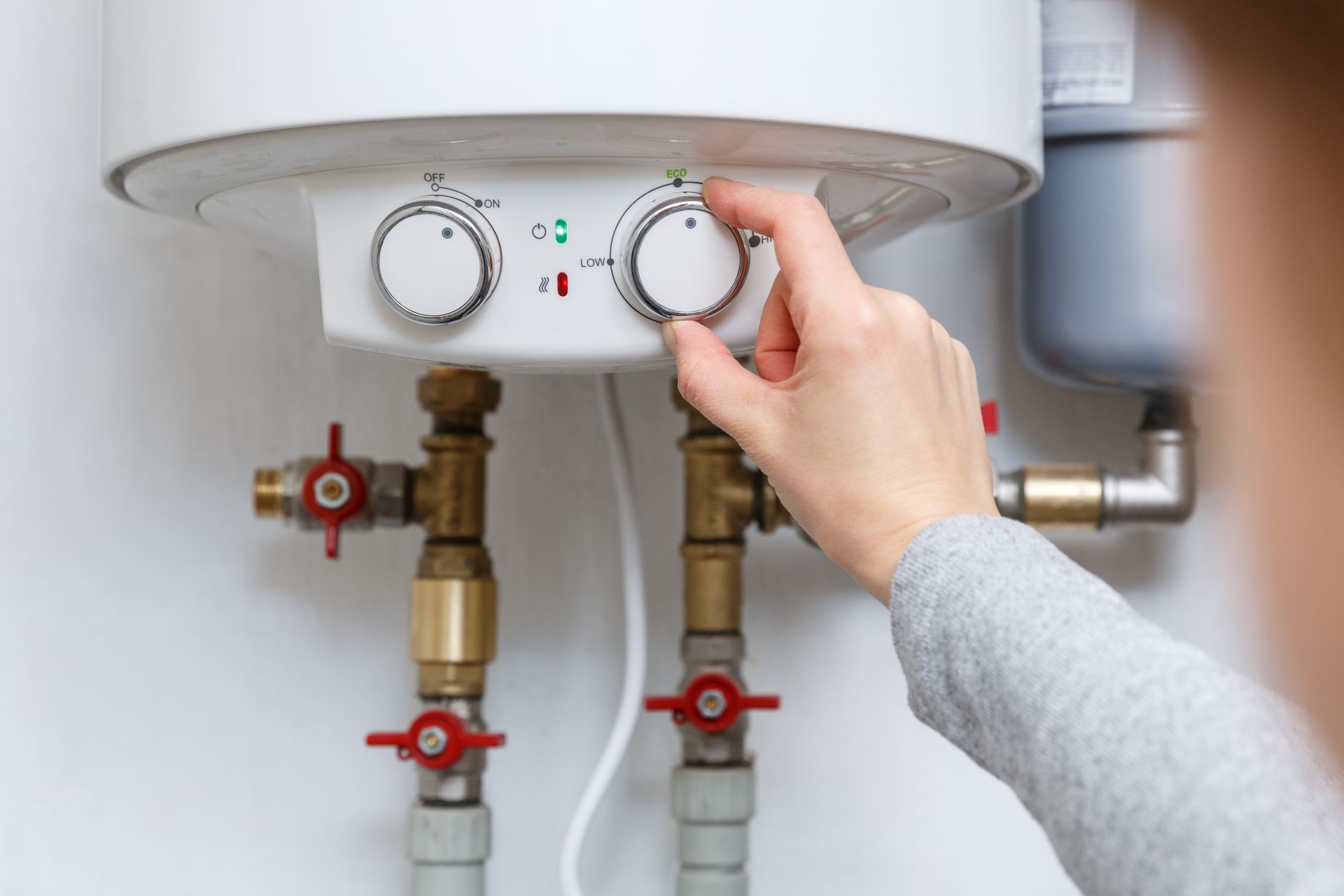
A water heater that has quietly been slowing down all year tends to reveal itself the moment Victoria's colder weather actually arrives, since incoming water temperature drops and the tank suddenly has to work harder to keep up. At Wade Roberts Plumbing, we get more water heater calls in the first real cold snap of the season than almost any other time of year, and most of the warning signs were there for weeks before anyone noticed.
Knowing what those signs actually look like, rather than waiting for a cold shower to make the decision for you, gives you a lot more control over timing and cost.
What We Cover:
- Why Winter Exposes a Struggling Water Heater
- Signs It's Time for an Upgrade
- Why Waiting Too Long Can Cost More
- Frequently Asked Questions
Why Winter Exposes a Struggling Water Heater
Incoming groundwater temperature in Greater Victoria drops noticeably in the winter months, which means a water heater already nearing the end of its life has to work harder just to deliver the same hot water your household expects. A tank that seemed perfectly fine in August can start showing real strain by December, simply because the gap between incoming water temperature and your desired hot water temperature has grown wider.
A quick tip to remember: a water heater between eight and twelve years old is worth having assessed before winter fully sets in, even if it still seems to be working fine on the surface.
Signs It's Time for an Upgrade
A few specific signs tend to show up before a water heater fails outright, and catching them early means you get to choose the timing rather than dealing with an emergency in the middle of a cold snap.
A quick tip to remember: rumbling or popping sounds from the tank point to sediment buildup at the bottom, which reduces efficiency and can shorten the unit's remaining lifespan considerably.
Water that takes noticeably longer to heat, a tank that runs out faster than it used to, or water with a rusty tint are all signs worth acting on rather than waiting out. Right now, we're offering $150 off select Rheem water heaters along with a free 4-year warranty upgrade, which makes this a genuinely good time to look into replacing a tank that is already showing its age.
Why Waiting Too Long Can Cost More
A water heater that fails completely, rather than being replaced proactively, often takes other things down with it, from water damage in a finished basement to an emergency service call at a less convenient price point than a planned replacement. Scheduling a replacement on your own timeline also means choosing a unit that actually fits your household's hot water demand, rather than accepting whatever happens to be available same-day.
Frequently Asked Questions
How Long Does a Water Heater Usually Last?
Most tank water heaters last between eight and twelve years, though water quality, usage, and maintenance history all affect that range. A unit approaching or past that window is worth having assessed, even without an obvious symptom yet.
Is It Cheaper to Replace a Water Heater Before It Fails?
Generally yes, since a planned replacement avoids emergency service pricing and gives you time to compare options and take advantage of current promotions, rather than accepting whatever is available same-day during a failure. Planning ahead also means avoiding the stress of a cold morning shower turning into an unplanned expense.
Getting Ahead of a Cold-Weather Failure
A water heater rarely fails without some warning first, it just takes knowing what to actually watch for. If your tank is showing any of these signs, reach out and we will help you figure out whether a repair or a replacement makes more sense for your household, and whether the current Rheem promotion applies to your situation.