Drain Maintenance Tips That Help All Season in Greater Victoria
Clogged, slow, or smelly drains are a hassle every homeowner would rather avoid. In Victoria, where tree-lined streets and older houses are the norm, it’s easy for organic debris, grease, and everyday waste to build up in pipes year-round. At Wade Roberts Plumbing, we see the same patterns season after season: minor drain trouble brewing under the radar, only to lead to messy blockages, bad odours, or even costly water damage when ignored. That’s why smart drain maintenance is one of the simplest ways to protect your property and keep your routine running smoothly.
Regular care isn’t just for emergencies—simple habits and a little expert knowledge can mean the difference between a small inconvenience and a full-blown problem. Preventing issues before they start is always easier (and less stressful) than fixing them after a backup.
In This Article:
- Tip #1: Think Before You Drain
- Tip #2: Hot Water Rinses Make a Difference
- Tip #3: Hair and Food—Catch It Early
- Tip #4: Mind the Outside Drains
- Tip #5: Know When to Call a Pro
- Frequently Asked Questions
- Keep Every Drain in Top Shape
Tip #1: Think Before You Drain
The majority of clogs we clear are caused by what makes it down the pipes when no one’s looking. Grease, coffee grounds, food debris, wipes, dental floss—these items may seem harmless, but once inside the drain, they combine with soap scum and hard water minerals to create stubborn blockages. This is a big concern in Victoria, especially in older plumbing that wasn’t designed for modern waste.
- Never Pour Grease Down: Let it solidify and toss it in the trash.
- Avoid Non-Flushables: Never flush wipes, floss, or hygiene products—even “flushable” brands.
- Keep Food Scraps Out: Use sink strainers and compost bins.
Tip #2: Hot Water Rinses Make a Difference
Weekly hot water flushes help break up fat, soap, and debris before they have a chance to harden and stick further along the pipes, especially in the colder seasons. It’s an easy habit with real impact.
- Use Boiling Water: Once a week, pour a full kettle down each drain.
- For Kitchen Sinks: Follow with a squirt of dish soap for extra cutting power.
- Avoid Harsh Chemicals: Hot water keeps things clear without damaging pipes.
Tip #3: Hair and Food—Catch It Early
Bathroom and kitchen drains face chronic blockages from hair, soap, and food particles. Catching these before they move further along the pipe is key, especially in homes with lots of activity.
- Fit Drains With Screens: Inexpensive mesh catchers stop most debris.
- Clean Regularly: Empty hair and food traps every few days.
- Watch for Build-Up: If water starts draining slower, it’s time for an extra check.
Tip #4: Mind the Outside Drains
In many Victoria homes, exterior drains around driveways, patios, and basement entries are out of sight but can cause big headaches if neglected—especially as leaves and debris wash into stormwater systems during fall.
- Clear Grates Monthly: Especially after heavy winds or rain.
- Scoop Debris and Silt: Avoid blockages that lead to pooling or flooding.
- Inspect Before Fall: Extra cleaning before rainy season keeps water flowing.
Tip #5: Know When to Call a Pro
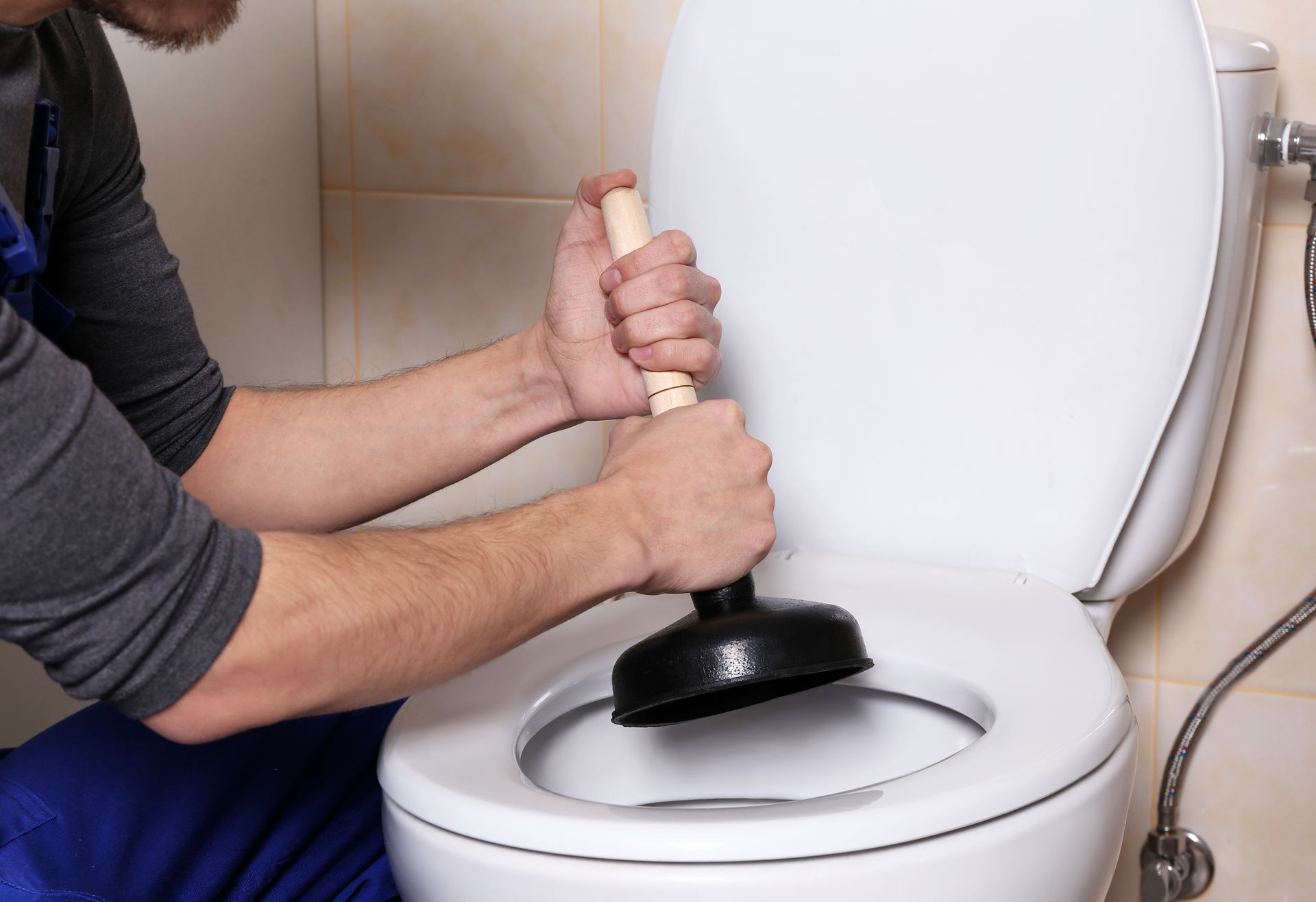
Not every clog is fixable with home remedies. If you’ve tried prevention and standing water (or bad smells) persist, a deeper issue could be at play—like tree roots or pipe scale. That’s when a local Victoria plumber should step in.
- Slow Drainage Won’t Fix Itself: Early intervention is less expensive than emergency repairs.
- Multiple Fixtures Slowing Down: Could indicate a mainline issue.
- Recurring Problems: Professional inspection saves repeat headaches.
Frequently Asked Questions
How often should I clean my drains to avoid clogs?
For most homes, a quick weekly rinse with hot water is enough. Screens or strainers can be checked daily or every few days. Thorough outside drain inspection each season is recommended, with more frequent checks in homes surrounded by large trees.
Is a mild drain cleaner okay to use?
While occasional use of enzyme-based cleaners can help, avoid harsh chemicals. These can damage pipes, especially older ones found across Victoria. Preventive habits are always better than relying on cleaners.
Are all slow drains a sign of a clog?
Not necessarily—a slow drain may result from improper venting, tree roots, or even issues at the mainline. If home efforts don’t produce results, a professional diagnosis is the best next step.
Keep Every Drain in Top Shape
Staying ahead of drain issues protects your home and your peace of mind—especially as the seasons shift in Victoria and surrounding areas. Just a few easy habits can stretch the life of your pipes, prevent bad odours, and avoid costly emergencies. For persistent problems, a call to Wade Roberts Plumbing means you’ll have local pros ready with answers and solutions you can trust. Don’t wait for a clog to take you by surprise—simple care goes a long way.