Is Poly-B Piping Risky? How to Identify and Plan Replacement in 2026
New year, new peace of mind. January is the perfect time for homeowners in Greater Victoria to take stock of hidden risks behind the walls—especially polybutylene, commonly called Poly-B. If your home in Victoria, Saanich, Langford, Oak Bay, Esquimalt, View Royal, Colwood, or the Saanich Peninsula was built or renovated in the late 1980s to late 1990s, this is the year to confirm what’s in your plumbing and plan a safe, efficient upgrade.
What Is Poly-b—and Why Do People Replace It?
Poly-B is a flexible, grey plastic water supply pipe widely installed from the late 1970s through the 1990s. Over time, Poly-B can become brittle, particularly at fittings, and may be sensitive to water chemistry, UV exposure, and heat. While every home is different, homeowners choose to replace Poly-B to reduce leak risk, safeguard finishes, and align with some insurers’ current preferences. In winter, freeze-thaw stresses in crawlspaces and exterior walls can make existing weaknesses more apparent.
People Also Ask: How do I know if my home has Poly-B plumbing?
Look for grey, flexible plastic pipes labeled “PB” or “PB2110,” typically near the water heater, at shutoff valves under sinks, in unfinished basements, and in crawlspaces. Fittings may be grey or white plastic, copper, or brass with crimp rings. If you see grey lines serving fixtures and the home was built or renovated between about 1985 and 1998, you may have Poly-B. When in doubt, schedule a professional inspection—Wade Roberts Plumbing can confirm materials, document findings, and provide a clear replacement plan.
A Quick Identification Checklist
- Grey, flexible supply lines marked PB or PB2110
- Visible lines near the water heater, manifold blocks, or in crawlspaces
- Crimp-style fittings (plastic or metal) with copper or aluminum rings
- Installation dates from the late 80s to late 90s in permits or real estate records
Planning a Stress-free Poly-b Replacement in 2026
A thoughtful plan minimizes disruption and protects your investment. Here’s how to start:
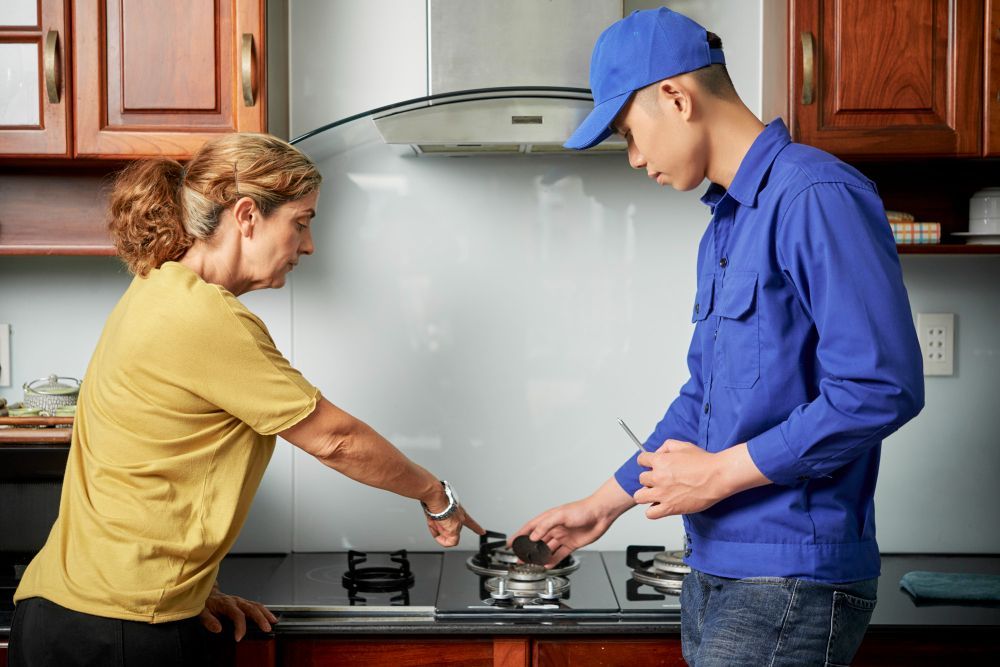
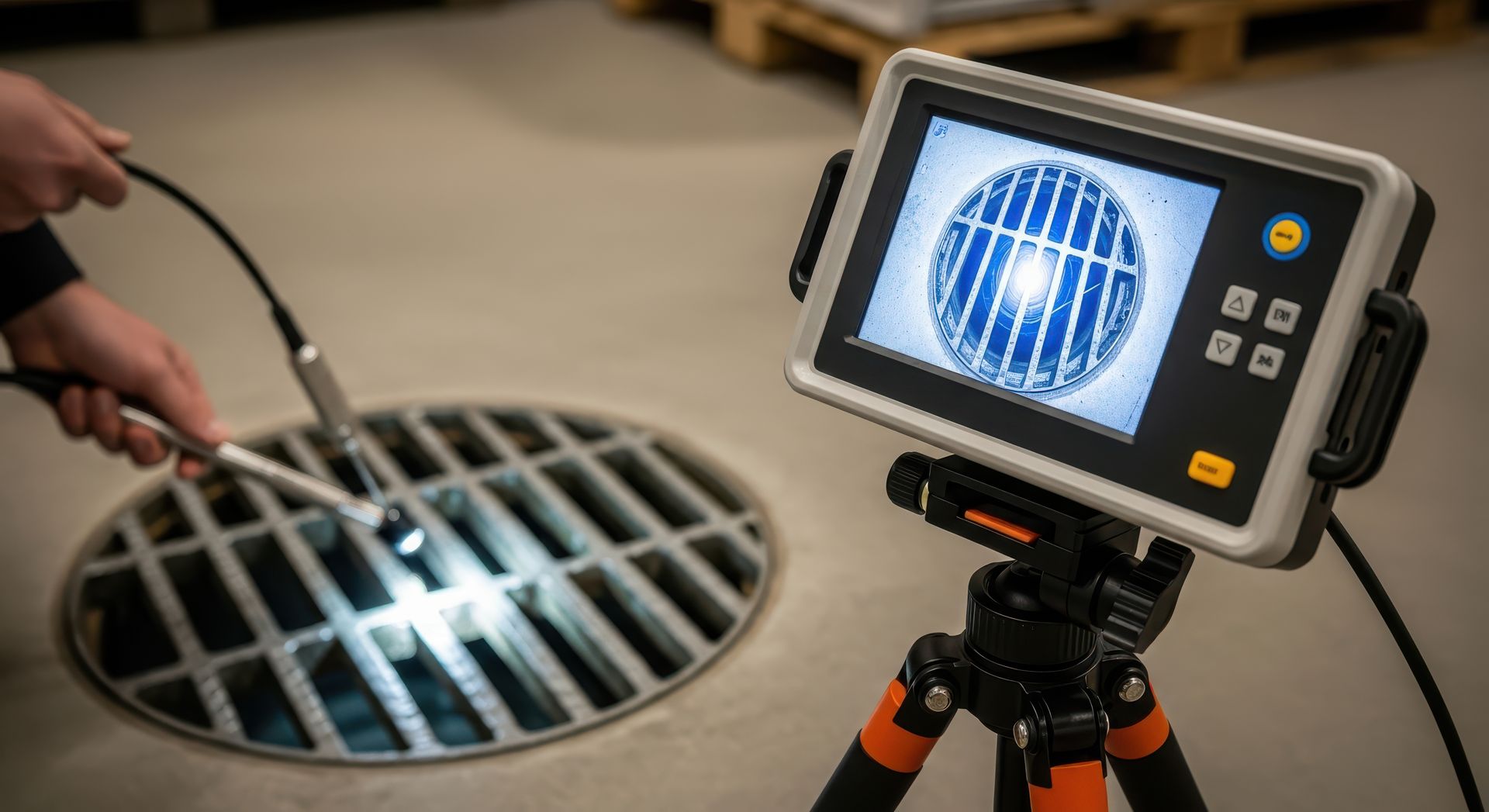
- Get a professional assessment: We map existing lines, confirm materials, and flag vulnerable runs in exterior walls, attics, and crawlspaces.
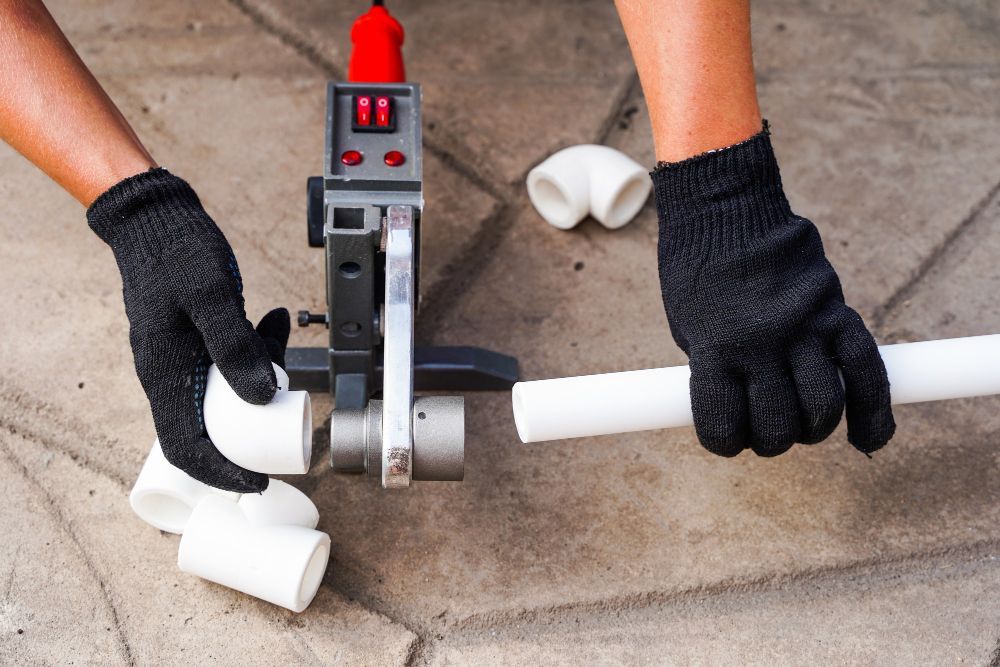
- Choose the right pipe: Modern PEX and copper are common options; we’ll recommend what suits your layout, budget, and water quality.
- Coordinate drywall and finishes: We plan access points to reduce patching and include neat, paint-ready repairs.
- Stage the work: For busy households, we can phase repipes room-by-room to maintain partial water service.
- Review valves and fixtures: Upgrading shutoffs, supply hoses, and angle stops adds reliability while walls are open.
- Document for peace of mind: You’ll receive photos, line maps, and invoices you can share with your insurer or future buyers.
What a Professional Repipe Looks Like
- Pre-project walkthrough to confirm scope, fixture counts, and timelines
- Protection of floors and furnishings; dust control and clean work areas
- Thoughtful routing to pull pipes off exterior walls where possible and add insulation in vulnerable areas
- Installation of new shutoff valves, proper supports, and pressure testing before walls close
- Patch-and-paint-ready drywall repairs, fixture re-connection, and final quality check
Local Factors for Greater Victoria Homes
Crawlspaces are common from Oak Bay to Esquimalt and the Highlands; we insulate and reroute away from cold zones where practical. For homes built during rapid growth in Langford and Colwood in the 1990s, we often see mixed materials—some Poly-B with copper or PEX tie-ins—so a complete assessment is essential. If you’ve experienced winter freezes, we’ll recommend added protection like pipe insulation, heat cables, and strategic shutoffs. Strata and multi-unit buildings benefit from coordinated repipe scheduling and clear communication plans.
Budgeting and Timing Tips
Costs vary with home size, access, and fixture count. The best time to schedule is before peak spring renovation season to secure optimal timelines. Bundling related work—new shutoff valves, laundry hoses, or a water heater upgrade—can reduce overall disruption. If insurance requires replacement or offers potential discounts for upgrades, we can provide documentation; always confirm details with your insurer.
Why Choose Wade Roberts Plumbing for Poly-b Replacement
We pair top-tier workmanship with a people-first approach: clear pricing, tidy worksites, and durable solutions. Our experienced team serves Victoria, Saanich, Langford, Oak Bay, Esquimalt, View Royal, Colwood, Central Saanich, Highlands, Metchosin, Sidney, North Saanich, Sooke, and Saanichton. From inspection to final patching, we manage every step, keep you informed, and stand behind the work.
Start 2026 With Confidence
If you suspect you have Poly-B—or you’re ready to replace it—book an assessment with Wade Roberts Plumbing. We’ll confirm your pipe type, provide a transparent quote, and deliver a smooth, efficient repipe that protects your home for decades. Call today to schedule your Poly-B inspection and plan your replacement on your terms.