Are Heat Pumps More Efficient Than Gas Furnaces?
Regulating the temperature in your home is essential and when it comes to heating, you have two options; heat pumps or gas furnaces. Although these two perform almost the same function, they work differently.
They have different heating capabilities and energy efficiency. There is also a significant difference in pricing. They also look different and require different maintenance methods.
There has been a long debate about the most efficient option when comparing heat pumps to gas furnaces and this article will give you reliable information about heat pumps and furnaces to help you settle the debate yourself.
We will also answer the questions “what is a heat pump” and “how does a heat pump work?”
How Heat Pumps Work
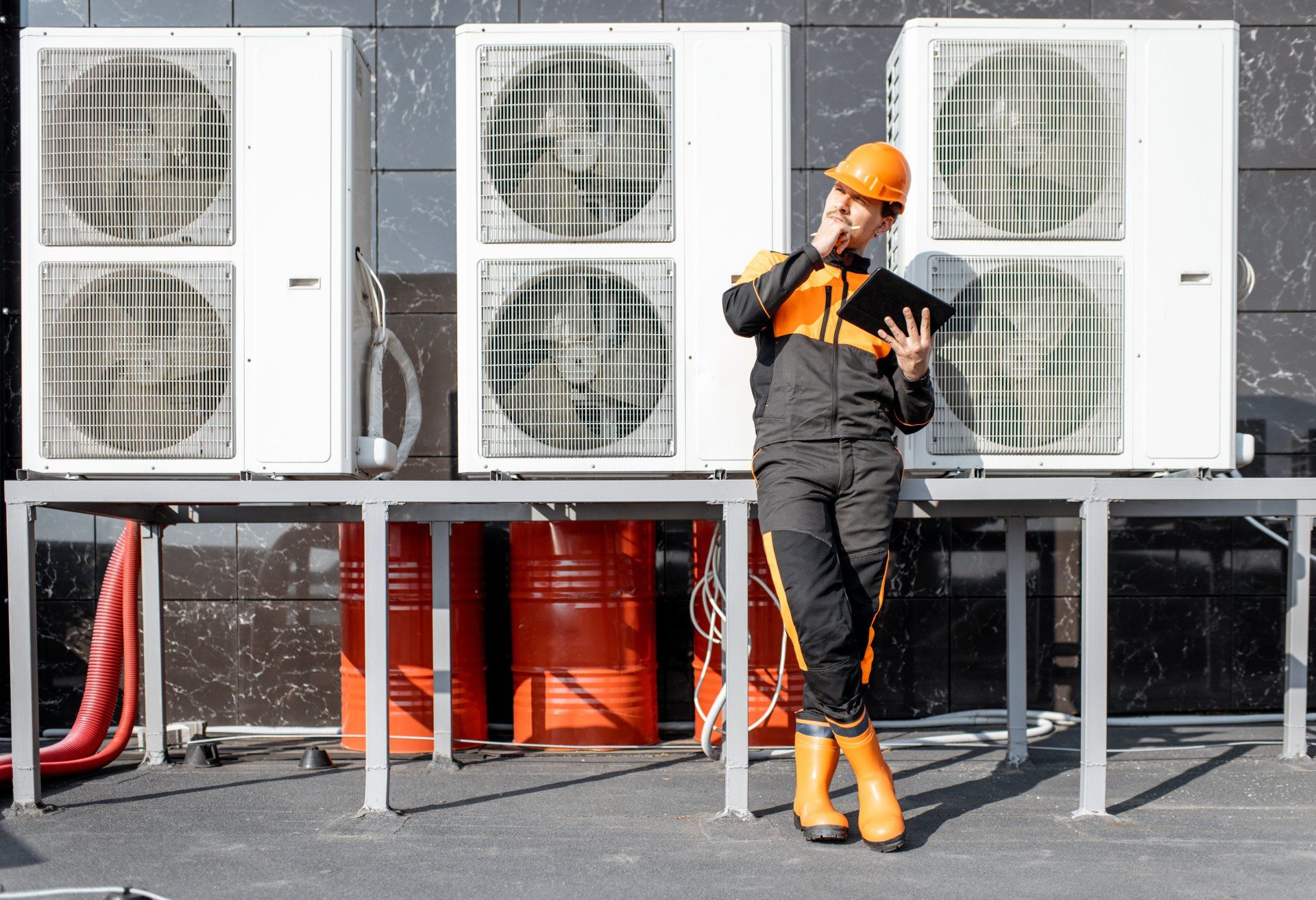
Heat pumps cool the home during the hot seasons and also generate heat for the cold months. They, however, work best in warmer climates since they do not generate as much heat as gas furnaces.
A heat pump draws heat and cool air from the outdoors into the home. In the summer, the pump extracts cold air from the outdoor air and distributes it in the home. In the winter, the pump also transports heat from the outdoors into the home.
A furnace, on the other hand, generates heat using fuel and then distributes it in the home. In some cases, people opt for the dual system which combines the best features of the heat pump and the furnace.
Energy Efficiency
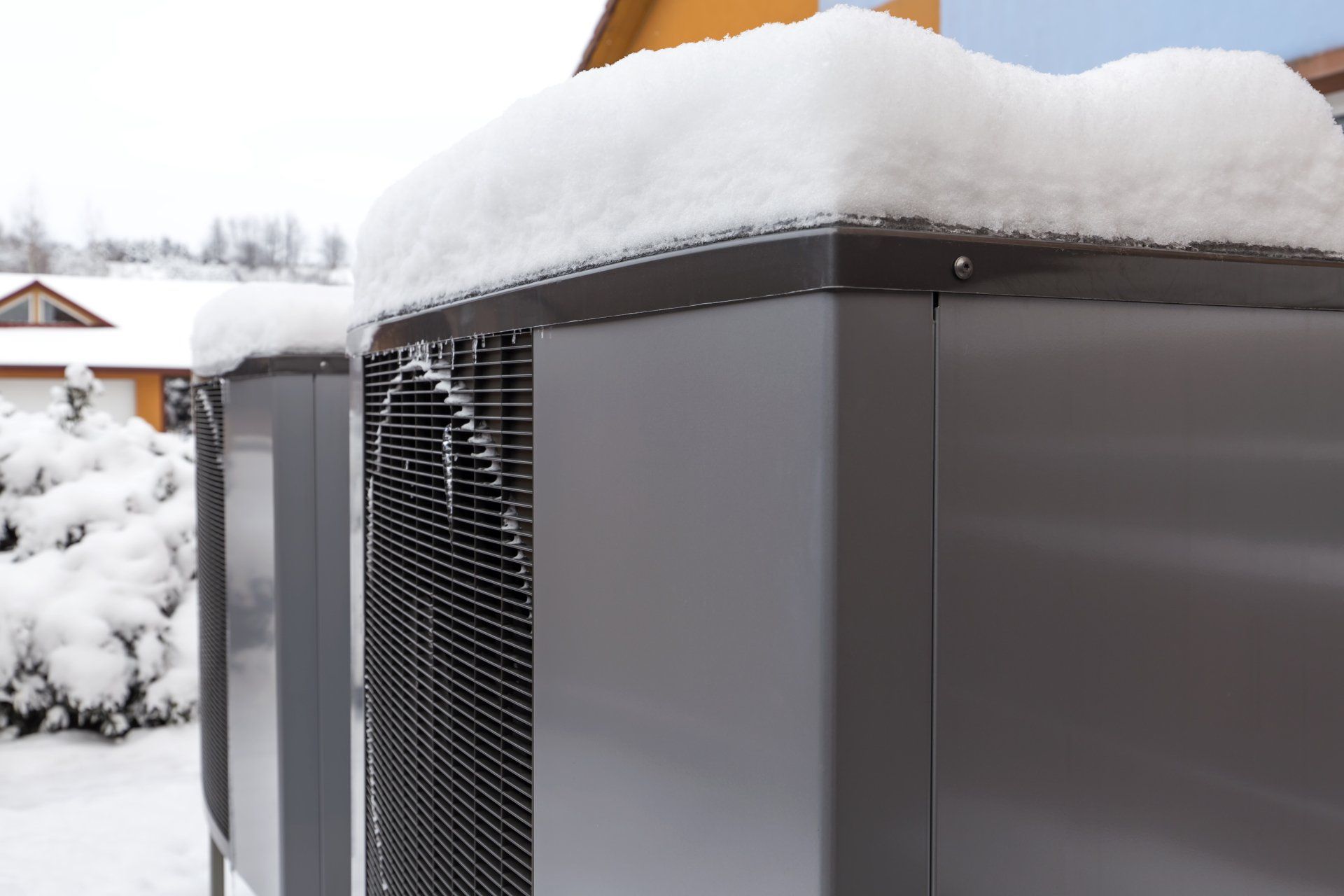
Technically, heat pumps are more energy efficient compared to furnaces since the former transfers more energy than it consumes. Under ideal conditions, the pump transfers about 300 percent of the energy it consumes while the gas furnace transfers about 95 percent of its energy.
Space
If you consider both heat pumps and air furnaces equally efficient but you are looking for something to will help you save on space, a pump is a better option. Heat pumps are installed outdoors and they only require about 24 inches of clearance of the outdoor space.
If it is a traditional air source heat pump system, it will require a fan coil. This fan coil does not take up a lot of space and it is placed indoors.
The gas furnace on the other hand requires 30 inches of clearances on all sides and it is installed indoors.
Maintenance
The two heat systems will last longer if properly maintained. For heat pumps, you will need to clean the outdoor unit regularly to get rid of dust and debris.
You should also schedule a period to change air filters for your systems. Both gas furnaces and heat pumps have these air filters and you can change them yourself.
However, certain damages are only visible to experts. Hence, you should schedule annual maintenance with a professional. They can detect impending problems before they turn into full-blown problems.
Oil furnace Rebates Available With Fortis, BC (heat pumps FORTIS REBATES)
Fortis, BC is offering rebates on furnaces and heat pumps. You can get up to $2000 in rebates for heat pumps and furnaces.
There are eligibility requirements such as Fortis, BC membership, and the product must be installed by a professional.
Talk to the Experts
When it comes to choosing a heating system for your home, comfort and energy efficiency should be a top priority. You cannot achieve these unless you choose a system that is the best fit for your home.
A professional can help you choose this since they will present the best options and help you choose. This is what Wade Roberts Plumbing does for its clients.
They help them make a decision based on the model of their homes, the climate, and the budget. Looking to install a new heating system?
Call us at 778-749-0979 or complete our contact form and we will get in touch.